Garage door breakdowns strike without warning, leaving you trapped inside, exposed at night, or stuck with a noisy, jerking mess. But with these practical emergency garage door repair tips, you can troubleshoot and resolve common issues quickly and safely, even if you’re new to maintenance. Prioritize safety first. Never force a heavy or unstable door. Then follow our step-by-step guide to restore function and peace of mind. Let’s get started.
Table of Contents
Before you do anything, make safety your first priority. A malfunctioning garage door can weigh over 150 pounds and could fall or slam shut without warning. If your garage door is crooked, hanging, or jerking while opening or closing, stop using it immediately.
Stay clear of the door until you’re certain it won’t cause injury. Don’t try to force the door open manually unless you’ve checked all moving parts and released it from the opener.
Why it matters:
Emergency repairs often lead to injuries when people panic or rush. Slow down and think clearly to avoid making things worse or getting hurt.
Check the Garage Door Remote and Wall Switch
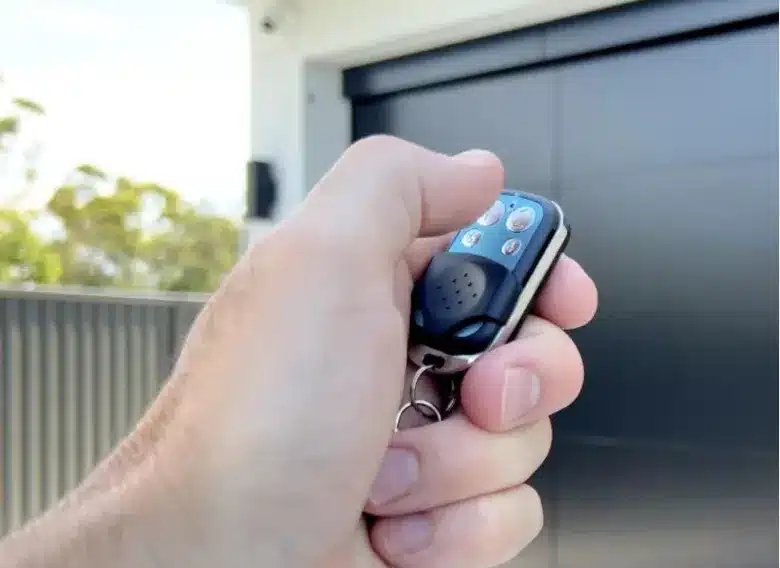
It might sound obvious, but the issue could be as simple as dead batteries in your remote or a nonresponsive wall button. If your garage door isn’t opening, try the wall switch first. If that works, the problem is likely with your remote.
Quick troubleshooting tips:
-
- Replace the remote batteries.
-
- Make sure you’re standing within range.
-
- If neither the remote nor the wall switch works, move to the next steps.
Why it matters:
Sometimes, what looks like a broken door is just a power or connection issue. This fast check can save you from unnecessary stress.
Inspect the Power Supply
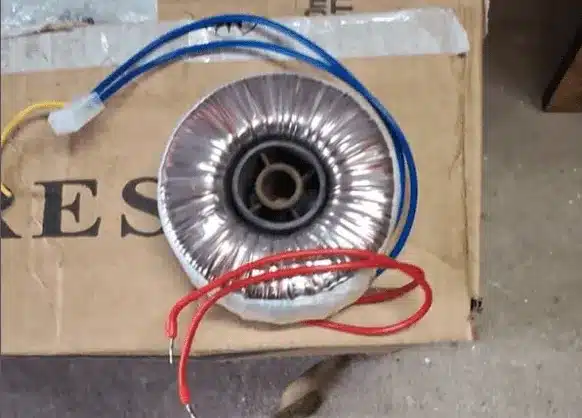
Garage doors won’t open if they’re not getting power. Check the outlet where your garage door opener is plugged in. Is it loose? Tripped? Burned out?
Steps to check:
-
- Make sure the opener is plugged in all the way.
-
- Test the outlet with a lamp or phone charger.
-
- Check your home’s breaker panel for any tripped circuits.
-
- Reset the GFCI outlet (if applicable).
Use the Manual Release Cord
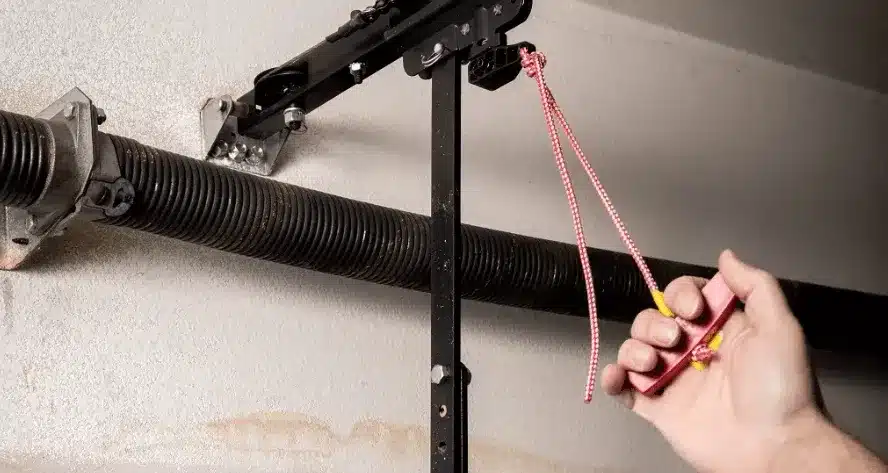
If your power is out or the garage door motor is dead, you can still open the door manually. Most garage door openers have a manual release cord – usually a red rope hanging from the opener rail.
Steps to open manually:
-
- Make sure the door is fully closed.
-
- Pull the red emergency release cord to disconnect the door from the opener.
-
- Carefully lift the door using both hands.
Warning: If the door is heavy or hard to lift, do not force it. This could indicate a broken spring, which is extremely dangerous to handle without professional tools.
Why it matters:
In an emergency like a power outage, this tip lets you get your car out or close the garage for security.
Look for Blocked or Dirty Safety Sensors
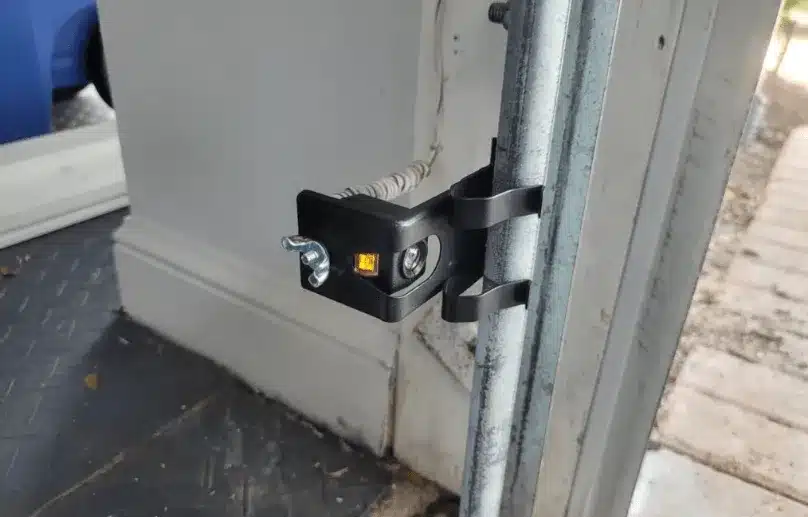
Garage doors have photo-eye sensors on both sides near the floor. These sensors detect objects and prevent the door from closing if something is in the way. If they’re blocked, dirty, or misaligned, the door won’t close properly.
Here’s what to do:
Wipe the sensors with a clean, dry cloth.
Check that nothing (tools, leaves, bikes) is blocking the sensors.
Make sure both eyes are aligned and facing each other.
Why it matters:
This quick fix often solves the problem without tools or calling a pro.
Inspect the Garage Door Tracks
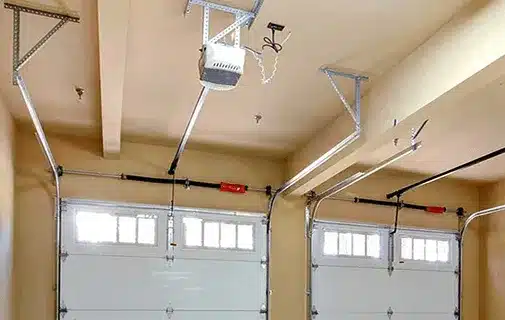
If your door is stuck, uneven, or makes grinding noises, the tracks might be bent, misaligned, or blocked. A quick inspection can reveal if there’s something preventing smooth movement.
How to check:
-
- Use a flashlight to look for debris, dents, or gaps along the track.
-
- Tighten any loose bolts holding the track to the frame.
-
- If the track is bent, you may be able to straighten it gently with a rubber mallet – but only if it’s a minor bend.
Do not try to bend heavy steel tracks yourself if they’re severely damaged. This could make the problem worse and void your door’s warranty.
Why it matters:
Dirty or damaged tracks are one of the top causes of a stuck garage door. Fixing this early keeps your door safe and smooth.
Tighten Loose Hardware and Lubricate Moving Parts
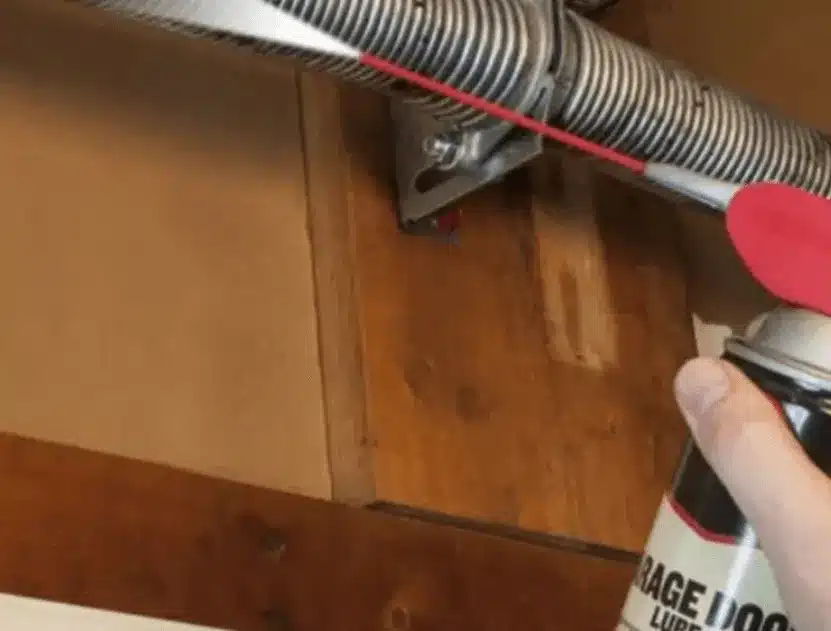
Garage doors go through dozens of open/close cycles every week. Over time, this causes screws, bolts, and parts to loosen. Lack of lubrication can also cause grinding noises or slow movement.
How to maintain emergency function:
-
- Use a socket wrench to tighten all visible nuts and bolts.
-
- Spray lubricant (like silicone-based garage door lube) on:
-
- Rollers
-
- Hinges
-
- Springs
-
- Tracks (just lightly – don’t overdo it)
Do not lubricate plastic parts or the belt/chain drive. These don’t need it and can actually get damaged by the wrong products.
Why it matters:
This step can prevent future emergencies by keeping your garage door system in good shape.
Final Thoughts: Be Prepared Before the Emergency
Garage door problems always seem to happen at the worst time. But being prepared makes all the difference. Keeping a basic tool kit, fresh remote batteries, and a small bottle of lubricant nearby can help you solve minor issues quickly.
However, if your garage door shows signs of serious damage, such as broken springs, snapped cables, or loud banging noises, do not attempt major repairs yourself. These parts operate under extreme tension and can cause serious injury if mishandled.
For these high-risk situations, trust the experts at Pete’s Garage Door Services. As a leading authority in local emergency repairs, their team offers professional, 24/7 assistance to get your door back on track safely and efficiently.
FAQs
Why won't my garage door open suddenly?
A sudden failure to open is often caused by dead remote batteries, a tripped circuit breaker, or misaligned safety sensors. Start by pressing the wall switch. If it works, replace the remote batteries (usually CR2032 type). Next, check your home’s breaker panel for a tripped switch and flip it back on. Finally, wipe the photo-eye sensors near the floor with a soft cloth to remove dust or cobwebs. If the door still won’t budge, the opener motor might have overheated. Wait 15 to 20 minutes for it to cool before trying again. For persistent issues in Korba, locals trust Pete’s Garage Door Services for fast diagnosis.
What to do when garage door remote stops working?
First, stand within 20 feet and replace the batteries, even if they seem fine. Press the wall button inside the garage. If the door opens, the remote is the culprit. Clean the remote’s button contacts with a cotton swab dipped in rubbing alcohol. If it still fails, reprogram it by holding the “Learn” button on the opener motor until the light blinks, then press the remote button twice. Many in Korba keep spare remotes handy and call Pete’s Garage Door Services when reprogramming doesn’t help.
How to fix a garage door stuck halfway?
A door stuck midway usually means bent tracks, broken cables, or weak springs. Never force it. Stand clear and inspect both vertical tracks for dents using a flashlight. Gently tap minor bends with a rubber mallet wrapped in cloth. Clear any debris like leaves or tools. If the door feels unusually heavy when lifted manually, stop immediately. This signals a broken torsion spring. Homeowners in Korba avoid injury by scheduling same-day checks with Pete’s Garage Door Services instead of DIY spring repairs.
Why is my garage door sensor blinking red?
Blinking red lights on one or both sensors indicate misalignment, dirt, or loose wiring. Clean both lens covers with a dry microfiber cloth. Avoid liquids. Ensure the sensors face each other exactly (use a level if needed) and tighten any loose mounting brackets. Sunlight hitting the sensor can also cause blinking. Add a cardboard shade if they’re in direct light. Once aligned, the lights should turn solid green. Korba residents often fix this in under 5 minutes but rely on Pete’s Garage Door Services for wiring faults.
How to use the garage door emergency release cord?
Locate the red cord hanging from the opener rail (about 5 to 6 feet off the ground). Ensure the door is fully closed first. Pull straight down on the cord until you hear a click. This disengages the trolley from the opener. Lift the door smoothly with both hands, keeping your back straight and knees bent. To re-engage, simply operate the opener once or pull the cord again while lifting slightly. Use this only in emergencies. Frequent manual operation wears parts faster.
What causes a garage door to close then open again?
This “reverse on contact” behavior is triggered by the safety sensors detecting an obstacle, even invisible ones like spider webs or slight track misalignment. Clean sensors thoroughly and check that nothing blocks the infrared beam across the doorway. Adjust the “close force” dial on the opener (turn clockwise 1/4 turn at a time) if the door reverses without touching anything. Test by placing a 2×4 board flat on the floor. The door should reverse upon contact.
How to manually open garage door during power outage?
With the door fully closed, pull the red emergency cord to disconnect the opener. Grip the door handle at the bottom center and lift steadily using your legs, not your back. If it’s a double door (400+ lbs), get a helper. Balance the door by lifting halfway and letting go. If it stays put, springs are okay. If it slams down or shoots up, call a pro immediately. Lock the door in the open position using vice grips on the track if leaving it unattended.
Why does my garage door make loud grinding noises?
Grinding usually comes from dry rollers, hinges, or a worn opener gear. Apply silicone-based garage door lubricant (never WD-40) to metal rollers, hinges, and spring coils. Wipe excess to avoid drips. Plastic rollers don’t need lube. If the noise persists from the opener unit itself, the drive gear is likely stripped and needs replacement. This is a common 10-minute fix with the right spray, but opener gear kits require precise installation.
How to reset garage door opener after power surge?
Unplug the opener from the ceiling outlet for 30 seconds, then plug it back in. The light should flash once. Press the wall button. If nothing happens, locate the “Learn” button on the motor and hold it for 6 seconds until the light goes off. Reprogram all remotes by pressing “Learn” once (light blinks), then press the remote button. Reset travel limits by turning the “up” and “down” arrows until the door stops at the correct positions.
What should I do if garage door springs are broken?
Stop using the door immediately. Broken springs make a 150+ lb door fall like a guillotine. Do not attempt to open it manually. Secure the area with caution tape and call a professional within hours. Torsion springs are wound under 200+ lbs of pressure. Only trained techs with winding bars should handle them. In Korba, Pete’s Garage Door Services offers 24/7 emergency response to prevent further damage or injury.