
The best wood for garage doors is cedar because it is naturally resistant to rot, lightweight compared to hardwoods, and holds up well in most climates. Redwood and mahogany are also excellent choices if you want premium durability and a rich, elegant look, while oak provides a more traditional, rustic style. Each wood type has unique benefits depending on your budget, climate, and design preference, which is why choosing the right one is so important. In this guide, we’ll break down the top woods for garage doors, their strengths and weaknesses, and how to decide which option fits your home best.
Table of Contents
Why Wood Garage Doors Are Popular?
Wood garage doors are popular because they combine natural beauty with strength, making them both stylish and long-lasting. Homeowners choose wood because it offers unique grain patterns, warm tones, and the ability to be customized with stains, paints, or carvings. Unlike plain steel or aluminum doors, wood adds timeless charm and curb appeal that boosts home value. It also provides better natural insulation, helping regulate temperatures inside the garage. When properly maintained, a wood garage door can last for decades, which is why many people see it as a premium, worthwhile investment.
Factors to Consider When Choosing the Best Wood for Garage Doors
Before exploring the specific wood types, it’s important to understand the factors that should guide your choice.
- Durability: Some woods are naturally resistant to rot, insects, and moisture. If you live in a humid or rainy climate, this becomes a top priority.
- Weight: Wood garage doors are heavy, but certain woods are denser than others. The heavier the wood, the more durable but also the more strain it places on your garage door opener and springs.
- Maintenance Needs: All wood requires care, but some species need more frequent sealing or refinishing than others.
- Cost: Wood prices vary widely. Exotic hardwoods are beautiful but expensive, while softwoods are more budget-friendly but require more upkeep.
- Appearance: The grain, color, and texture of the wood will impact how your garage door looks with the rest of your home’s exterior.

Top Types of Wood for Garage Doors (Revised in Paragraphs)
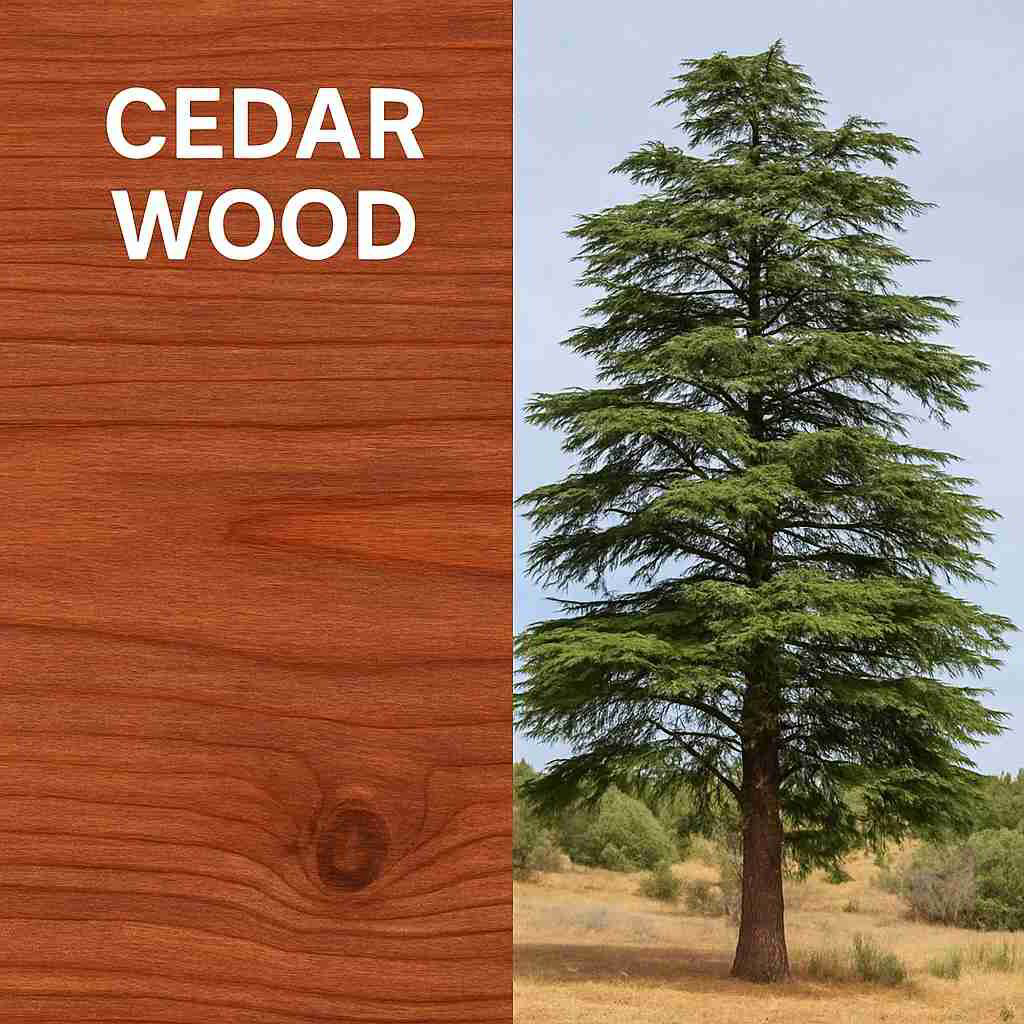 Cedar wood
Cedar is one of the best woods for garage doors because it is both durable and lightweight, making it easier on your garage door system compared to heavier hardwoods. This wood is naturally resistant to rot, insects, and moisture, which is why it performs so well in humid or coastal regions. Its grain patterns are rich and unique, and the warm reddish tones make it visually appealing whether you choose to stain it or leave it more natural. While cedar is softer than many hardwoods and can dent if struck, it requires less maintenance than many other wood types and provides excellent long-term performance with periodic sealing.
Mahogany
Mahogany is often considered one of the most luxurious woods for garage doors, known for its strength, durability, and elegant appearance. It is a dense hardwood that holds up extremely well against swelling, shrinking, and warping, making it ideal for both hot and humid climates. Its rich, dark tones and fine grain create a polished, sophisticated look that adds value and class to any property. However, mahogany is heavier than many other wood types, which means you need a reliable garage door opener system to handle the extra weight. It is also one of the more expensive options on the market, but its long lifespan and high-end finish make it a worthwhile choice for homeowners who want lasting beauty.
Redwood
Redwood is a premium choice for homeowners who want a garage door that makes a bold visual statement. Its deep red color, combined with its ability to resist warping and cracking, makes it stand out as both beautiful and durable. Naturally high in protective oils, redwood is extremely resistant to rot and decay, even in wet climates, giving it a long lifespan when properly maintained. Because of its rich tones, many homeowners prefer to enhance its look with stain rather than paint. The main drawback is its high price compared to other woods, but many people find the investment worthwhile for the luxurious, timeless appeal it brings to a home’s exterior.
Oak
Oak has long been prized for its toughness and traditional character, making it a solid option for garage doors. Its grain pattern is bold and rustic, giving garage doors a more classic, natural look that works especially well for traditional and craftsman-style homes. Because of its density, oak is highly resistant to wear and impact damage, though its heaviness can increase the cost of installation and place extra strain on hardware. Oak also requires consistent sealing or staining to protect it from moisture and prevent warping or cracking. While it is not as naturally rot-resistant as cedar or redwood, oak provides unmatched strength and can be a great long-term investment for homeowners who want a sturdy, rustic appearance.
Hemlock
Hemlock is a versatile and budget-friendly option, commonly used when homeowners want a wood door that will be painted rather than stained. It has a straight, even grain that gives a smooth surface, making it perfect for holding paint finishes. Lighter in weight than hardwoods like oak or mahogany, hemlock puts less stress on garage door openers and can be more affordable overall. However, it does not have the same natural resistance to moisture or decay as cedar or redwood, meaning it requires more consistent maintenance and sealing if used in damp environments. For homeowners on a budget who value customization through paint, hemlock is a practical and attractive choice.
Douglas Fir
Douglas fir offers a balance between affordability and strength, making it a popular softwood option for garage doors. It is stronger than many other softwoods and has a pleasant light color with a subtle grain that takes stain well for a natural look. Fir doors can provide durability without the high costs associated with exotic hardwoods, though they are not as naturally resistant to moisture and require more frequent upkeep in wet or coastal areas. For homeowners looking for a strong and budget-conscious alternative to hardwoods, Douglas fir can deliver both practicality and an appealing appearance when properly sealed and maintained.

Solid Wood vs. Engineered Wood Garage Doors
When looking for the best wood for garage doors, you’ll also come across two construction types: solid wood and engineered wood.
- Solid wood doors are made from single pieces of lumber. They are heavy, durable, and authentic, but can be expensive.
- Engineered wood uses layers of wood veneer over a core material like plywood. These doors are lighter, less expensive, and resistant to warping, though not as long-lasting as solid wood.
For homeowners balancing cost and durability, engineered wood can be a smart choice. But for those who want luxury and authenticity, solid wood is unmatched.
How Climate Affects Your Choice of Wood
The best wood for garage doors depends on your local climate:
- Humid or coastal regions: Choose rot-resistant woods like cedar or redwood.
- Dry, hot climates: Mahogany and oak are less likely to crack or warp.
- Cold climates: Insulated wood doors or engineered wood may perform better.
Matching the wood type to your environment ensures your door lasts longer and requires less upkeep.
Maintenance Tips for Wood Garage Doors
To get the best results from your wood garage door, follow these maintenance practices:
- Refinish or reseal every 1–2 years to protect against moisture.
- Clean the surface regularly to remove dirt and debris.
- Inspect for cracks, warping, or peeling finish.
- Keep the door balanced and lubricated to prevent strain on the opener.
- Touch up scratches or chips quickly to avoid more serious damage.
With proper care, a high-quality wood garage door can last 20–30 years or longer.
When to Replace Your Garage Door Seal
Even the toughest seal won’t last forever. Look for these signs that it’s time for a replacement:
- Cracks, tears, or brittleness in the rubber.
- Gaps are still visible when the door is shut.
- Water pools inside after rain.
- Increased insect activity or rodent droppings.
- Noticeable drafts coming through.
On average, garage door seals last 2 to 5 years, depending on climate and usage. Replacing them before they fail completely avoids bigger problems.
Cost of Wood Garage Doors
The price of wood garage doors depends on the type of wood and whether it’s solid or engineered:
- Engineered wood: $1,000 – $3,000 on average.
- Cedar or hemlock solid wood: $2,000 – $5,000.
- Premium woods like redwood or mahogany: $4,000 – $10,000+.
While wood doors are more expensive than steel or aluminum, they also offer higher curb appeal and home value.
Benefits of Choosing the Best Wood for Garage Doors
When you select the right wood for your garage door, you gain:
- Curb appeal that makes your home stand out.
- Longevity, with a door that lasts for decades when cared for.
- Customization, with options for stains, paints, and designs.
- Insulation helps keep your garage more comfortable year-round.
- Home value, since wood doors are considered premium upgrades.
Conclusion: Choosing the Best Wood for Garage Doors
Selecting the best wood for garage doors comes down to balancing durability, cost, and appearance with your local climate and personal style. Cedar and redwood are excellent for moisture resistance, mahogany offers unmatched luxury, and oak provides strength and tradition. Engineered wood options make wood garage doors more affordable while still delivering beauty.
The best choice is the one that fits your home’s needs and ensures long-lasting performance with proper care. By investing in the right wood garage door, you not only improve your home’s look but also its value and functionality for years to come.